September 18, 2008

NTSB urges stronger enforcement of truck driver rest period rules

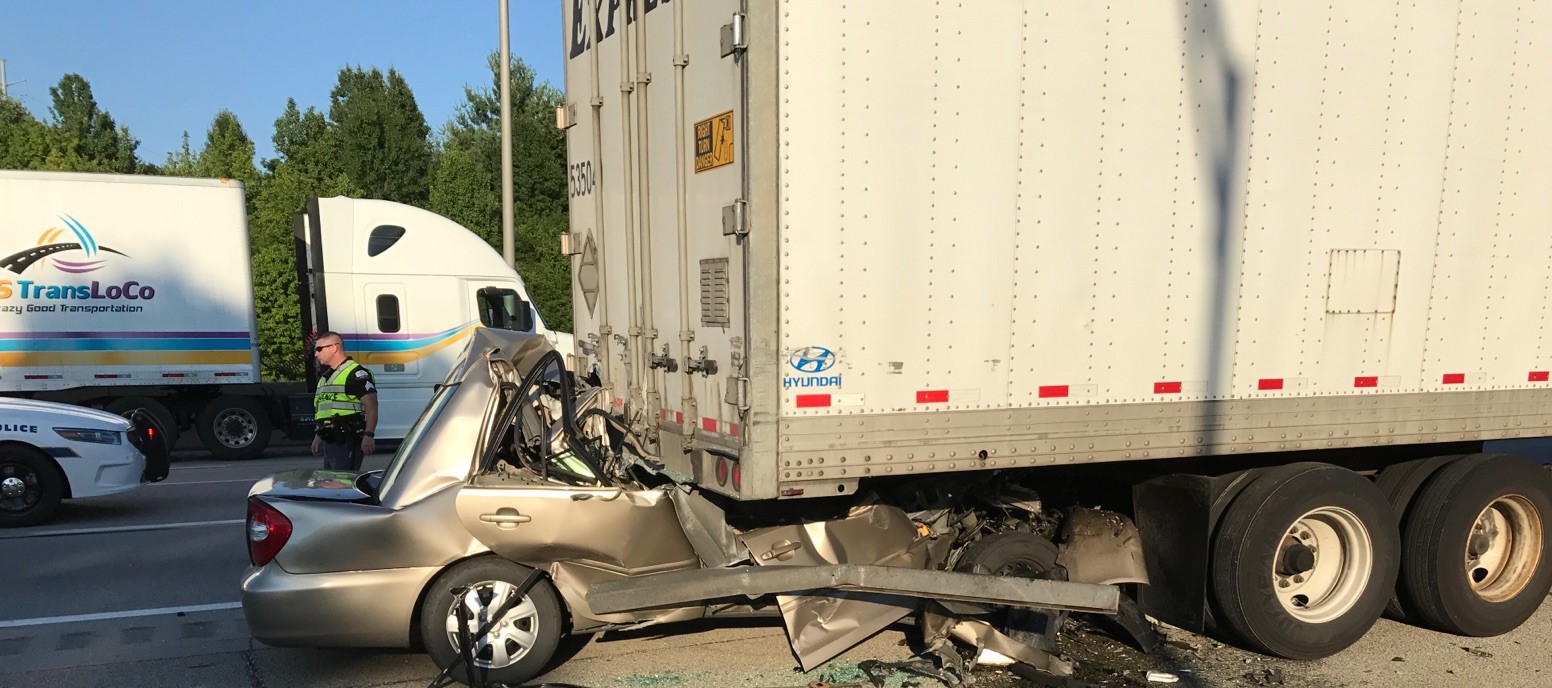
As a lawyer handling catastrophic trucking accidents, I have repeatedly seen the deadly effects of driver fatigue as truckers are pushed beyond their physical limits by trucking companies and shippers.

Now the National Transportation Safety Board on Tuesday recommended that trucking companies and the government place increased emphasis on making sure truck drivers follow regulations governing proper rest. Additionally, officials at the NTSB recommended that the government should investigate the use of alarms and other devices to monitor drivers’ alertness. Experts estimate that fatigue is responsible for one in eight large-truck crashes.

The NTSB also called upon the Federal Motor Carrier Safety Administration to step up enforcement of trucking companies, making sure their record-keeping is up to date and drivers are being given adequate time to rest.

Investigators also debated the use of technology designed to warn of impending collisions and automatically engage the brakes. They discussed concerns that automatic braking could interfere with the stability of large rigs, so the board recommended that the National Highway Traffic Safety Administration study the technology and mandate its use if it proves effective.

Continue reading "NTSB urges stronger enforcement of truck driver rest period rules" »

September 16, 2008

Impact of the Wall Street crisis on trucking and insurance

As a truck accident trial lawyer in Atlanta, I'm puzzling over how the falling dominoes in the current crisis on Wall Street will impact the trucking and insurance industries.

High fuel prices, hurricanes, dependence on foreign oil, the subprime mortgage mess, the economic rise of China and India, the cost of war in Iraq and Afghanistan, and deferred spending on American infrastructure combine to affect both trucking and insurance.

Oil prices have risen due in large part to the increased world demand accompanying the economic development of China and India, while we are dependent upon Arabs, Russians, etc. for our supply. On the other hand, oil prices are moderated by any economic slowdown that decreases demand.

Hurricanes, which may be increasing in intensity due to global warming, temporarily impact fuel prices as they hamper production, refinery and port capacity on the Gulf coast. Payment of hurricane losses impacts the insurance industry that has already been impacted by the financial mess.

In trucking, high fuel costs have both direct and indirect effects. The direct impact of high fuel prices on truckers is obvious. Moreover, I have heard from truckers that motor carriers collect fuel surcharges and too often fail to pass it on to independent owner operators who actually purchase the fuel. The indirect impact is on demand, as shippers shift more long-haul business from trucks to rail. Any slowdown in the economy further depresses demand for shipping.

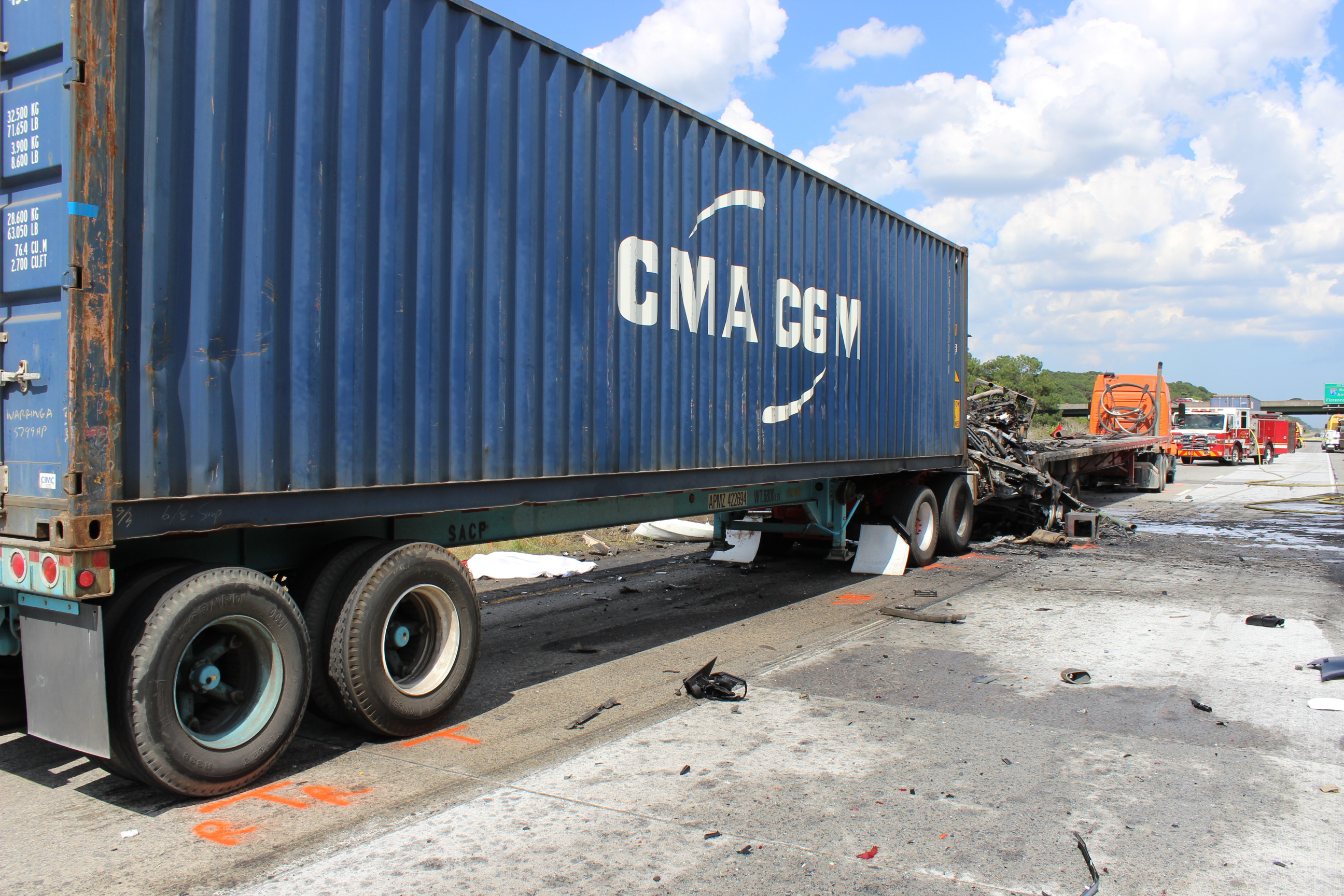
As more shipping shifts from long-haul trucks to multimodal freight logistics systems involving both long-haul rail and short-haul trucking, we are likely to see more freight containers bolted to poorly maintained trailer chassis. We will see a shift in the technical, regulatory and insurance issues involved in trucking accidents that result. Unfortunately, some judges who have poor understanding of trucking regulations and case law will not comprehend what is going on and render simplistic judgments with devastating impacts on innocent victims. The challenge for lawyers will be to ferret out the details of business relationships in order to overcome the multiple layers of defenses.

Under economic pressure, we can expect many trucking companies to cut corners on all aspects of safety. Those companies that carry more insurance than the law requires will be tempted to bet the company that, despite compromises on safety, they won’t face catastrophic injury claims.

There is already an ongoing shakeout in the trucking industry. That will continue. I keep hearing reports of owner operators just walking away from rigs they can’t pay for any more Some of those used trucks will wind up being exported to other countries. I expect we will see a trend toward reduction of trucking industry capacity and consolidation in the trucking industry.

At the same time, the financial crisis that began with the meltdown in subprime mortgage-backed securities has reached beyond investment banking to the insurance giant AIG. Laying aside any feelings of schadenfreude (joy about another’s misfortune) due to the arrogant corporate culture of AIG under the leadership of former CEO Hank Greenberg, we have to recognize the prominent role of AIG in the insurance industry. As the implications of its downfall ripple through the insurance industry, I expect to share the pain.

While AIG is the teetering giant in the news today, we will soon find that the impact of the financial crisis is widespread in the insurance industry, affecting both the insurance companies that are familiar to the public and the reinsurers that insure the insurance companies. If reinsurers begin to fail, the shock waves will reverberate throughout the insurance industry.

The insurance industry has a long history of blaming injury victims and trial lawyers for its own investment losses. It seems that every financial crisis affecting insurers' investments is soon followed by a new round of premium increases. Unwilling to accept responsibility for investment losses, insurers blame the little guys and campaign for a new round of "tort reform."

Due to the financial meltdown related to securitization of subprime mortgages, we will likely see increasing insurance premiums for everyone, including truckers. Many truckers who are already struggling will be put out of business by increases in fuel and insurance costs unrelated to anything they did wrong.

As the truckers cut costs, safety management will be one of the first things cut. The end result will be that more people will be killed or injured. Lawyers like me will represent the victims. Insurance and trucking companies will fight even harder to avoid paying claims. Stubborn refusals to pay legitimate claims will result in more trials of cases they should settle, and more large jury verdicts.

In this environment more than ever, families that are devastated when trucking companies operate in an unsafe manner need to understand that the insurance companies send "rapid response" teams to scenes of serious accidents, and will try to lull them into complacency while crucial evidence is "lost" or destroyed. Time is of the essence as it is essential to take early action to preserve evidence. We are prepared to fight the good fight against trucking and companies that are determined to avoid and delay payment of legitimate claims.

Continue reading "Impact of the Wall Street crisis on trucking and insurance" »

June 20, 2008

Trucking companies responsible for their drivers even if they evade regulations

As a trucking accident trial lawyer, I occasionally see trucking companies try to evade responsibility for their driver. Generally, that is covered adequately by 49 C.F.R. § 390.5 which in the interstate trucking context defines "employee" to include "an independent contractor while in the course of operating a commercial motor vehicle."

But when a really devious trucking company comes up with a scheme to try to evade that responsibility, we can fall back on what courts used before enactment of that “statutory employee” rule.

Before 1956, courts could rely upon the Restatement rule that, “An individual or a corporation carrying on an activity which can be lawfully carried on only under a franchise granted by public authority and which involves an unreasonable risk of harm to others, is subject to liability for physical harm caused to such others by the negligence of a contractor employed to do work in carrying on the activity.” Restatement (Second) of Torts § 428.

Continue reading "Trucking companies responsible for their drivers even if they evade regulations " »

June 19, 2008

In trucking accidents, consider a claim against a freight broker or logistics company

As a Georgia trucking attorney, I sometimes see motor carriers create a shell game in which they claim after a tragic accident happens, to have been acting as a broker or logistics company, rather than as a motor carrier. Of course, when you dig into their marketing materials, they usually represented to shipping customers they were pretty much a "one stop shop" that covered everything from pickup to delivery.

49 C.F.R. § 371.7(b) provides, “A broker shall not, directly or indirectly, represent its operations to be that of a carrier.” A broker may be treated as a carrier if it does not delineate the broker role. See, e.g., KLS Air Express, Inc. v. Cheetah Transp. LLC, 2007 WL 2428294 (E.D.Cal.,2007).

Continue reading "In trucking accidents, consider a claim against a freight broker or logistics company" »

June 19, 2008

Truck accident lawyer selection

Many lawyers think that a tractor trailer crash is just a big car wreck. Not knowing how much they don’t know, they fail to take necessary steps to preserve and develop evidence. So how can you as a consumer identify an appropriate lawyer for a trucking accident case? My friend Morgan Adams in Chattanooga recently wrote on this topic in his blog.

1. A trucking accident trial attorney should have peer review ratings and specialty organization memberships that indicate experience, competence, and a very strong focus on trucking trial practice. Generally, the attorney should be member of his or her state trial lawyers organization (e.g., Georgia Trial Lawyers Association), the American Association for Justice (AAJ), AAJ’s Interstate Trucking Litigation Group, and the Association of Interstate Trucking Lawyers of America. It is a plus if an attorney has chaired continuing legal education seminars in the area of trucking litigation, who are Certified Civil Trial Advocates of the National Board of Trial Advocacy, and who have participated in a meaningful way in local or state bar associations.

2. A trucking accident attorney should have the capacity to fund substantial litigation. The cost of accident reconstruction experts, economists, vocational experts, video depositions of multiple defense witnesses and treating physicians, custom medical illustrations, and extensive travel around the country for depositions can be quite expensive. While the lawyer’s office need not be palatial or in a state of the art office tower, it should have some of the earmarks of success and competence. The key is whether the lawyer has access to funds, often through a large litigation funding line of credit, to fund properly preparing a case for trial.

3. Any lawyer you entrust with handling a catastrophic injury case should have the experience of litigating and trying truck accident cases.

Continue reading "Truck accident lawyer selection" »