In 2003, a 15-year-old girl who had been in Brownies with my daughter was killed when her family’s vehicle was rear-ended by a tractor trailer on an interstate highway. She was riding in the back seat en route to a summer camp. The truck driver was charged with DUI. That event is in the back of my mind whenever a question arises of whether a truck driver may have been impaired at the time of a crash.
To be clear, most interstate truck drivers are highly responsible, safety conscious and would never dream of driving when impaired from alcohol or drugs.
But there are those who use stimulants, sometimes including meth or cocaine, to stay up for long driving hours, or who get behind the wheel after drinking. Others use either prescription or over the counter drugs which can affect attentiveness.
Aware of that risk, the Federal Motor Carrier Safety Regulations require mandatory post-accident alcohol and drug tests whenever anyone is killed or removed from that crash scene by ambulance, and when any vehicle is towed from a wreck with an interstate commercial vehicle and when.
Until now, however, there has not been an easy way to check on whether a truck driver has a history of driving under the influence.
On February 20th, the Federal Motor Carrier Safety Administration published a proposed rule that would establish a database of drivers with a commercial driver’s license (CDL) who have failed or refused to take a drug or alcohol test. This clearinghouse may help improve roadway safety by making it easier to determine whether a truck or bus driver is prohibited from operating a commercial motor vehicle for failing to comply with federal drug and alcohol regulations, including mandatory testing.
Current federal regulations require employers to conduct mandatory pre-employment screening of CDL driver qualifications based upon their driving record. However, there are not been a single federal repository recording positive drug and alcohol tests by CDL holder that employers would be able to search to ensure the driver is able to perform at a job where safety is the number one concern.
“Safety is our highest priority, and we will continue to embrace new tools and opportunities that protect the travelers on our nation’s roads,” said U.S. Transportation Secretary Anthony Foxx. “Today’s proposal will help ensure dangerous drivers stay off the road, while encouraging the employment of the many safe drivers who follow our drug and alcohol requirements.”
The proposed rule would give employers access to invaluable information with ease. The new rule also require employers to conduct pre-employment searches through the repository for all new CDL drivers and annual searched on drivers they currently employ.
“We are leveraging technology to create a one-stop verification point to help companies hire drug and alcohol-free drivers,” said FMCSA Administrator Anne S. Ferro. “This proposal moves us further down the road toward improving safety for truck and bus companies, commercial drivers and the motoring public everywhere.”
Under the proposed regulation, FMCSA-regulated truck and bus companies, Medical Review Officers, Substance Abuse Professionals, and private third-party USDOT drug and alcohol testing laboratories would be required to record information about any driver who:
• Fails a drug and/or alcohol test
• Refuses to submit a drug and/or alcohol test; and
• Successfully completes a substance abuse program and is legally qualified to return to duty.
Private, third-party USDOT drug and alcohol testing laboratories would also be required to report summary information annually so that they can help identify companies that do not have a testing program. To ensure the privacy of the drivers involved, each CDL holder would need to provide their consent before an employer could access the clearinghouse.
Drivers who refuse to provide their testing information could still be employed by the truck or bus company; however, they could not occupy safety-sensitive positions such as operating a commercial motor vehicle.
It is a violation of federal regulations to drive a truck or bus under the influence of a controlled substance or under the influence of alcohol. Federal safety regulations require that truck and bus companies that employ CDL drivers conduct random drug and alcohol testing programs. Carriers must randomly test 10 percent of their CDL drivers for alcohol and 50 percent of their CDL drivers for drugs each year.
Continue reading →
 Georgia Truck Accident Attorney Blog
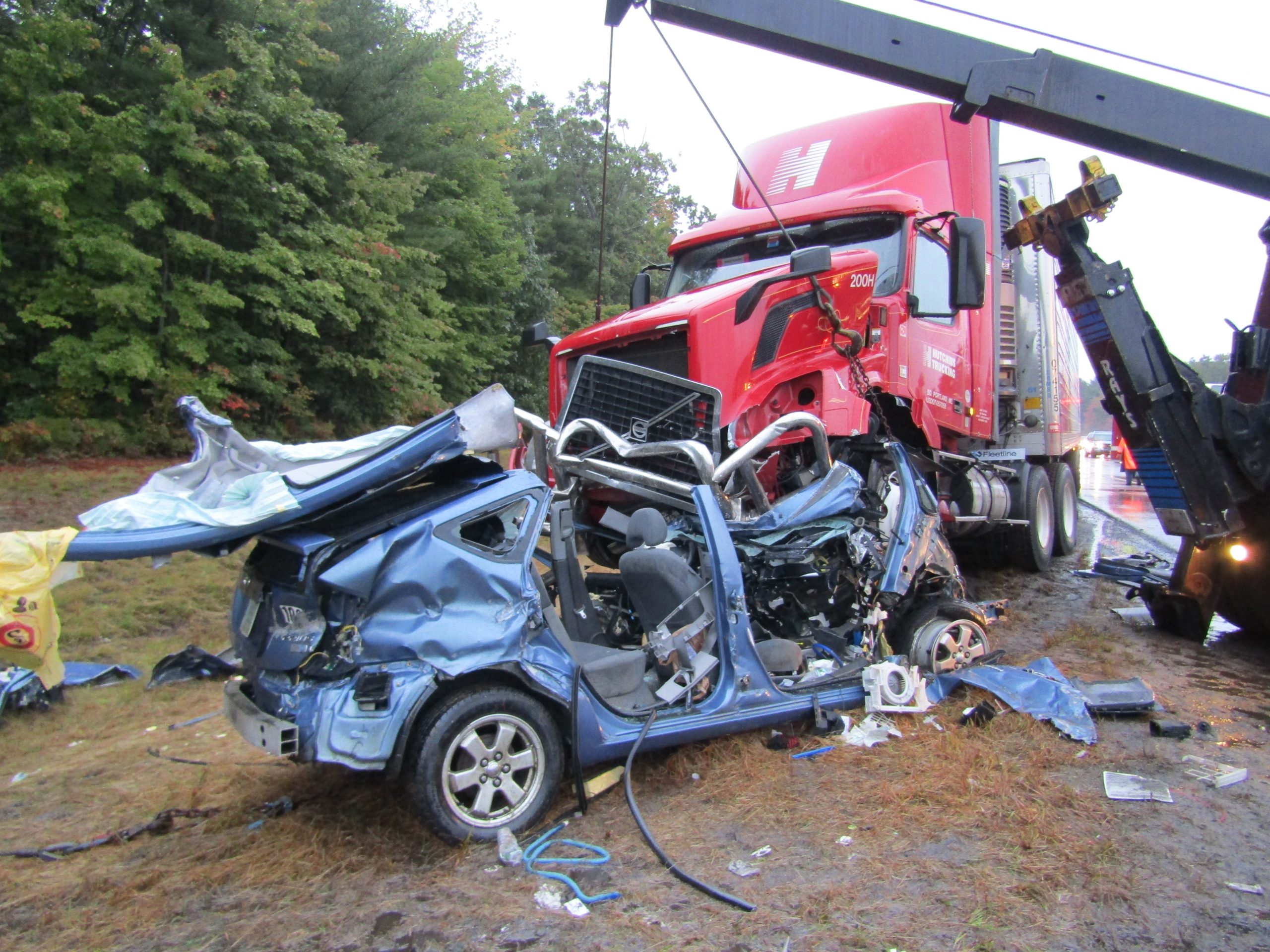 A family member was killed or catastrophically injured in a crash with a big truck. These accidents often cause death or serious brain, burn, amputation, and back injuries. It is your responsibility to decide how to proceed. What should you do?



 Four people were injured in a