NOTE TO TRUCK DRIVERS:
Our law practice focuses on representation of people who are seriously injured, and families of those killed, in crashes with large commercial vehicles. While those are often truck drivers, we do not handle truckers’ employment law matters. For legal advice on issues with your employer, see Truckers Justice Center.
When we share the road with semi tractor trailer drivers who pilot 80,000 pound big rigs on highways across the country, we hope they are well-qualified and safety conscious. Most are but some are not.
Among the many things I examine as a trucking accident litigation trial attorney in Georgia are the qualifications, experience and background of the truck driver.
Commercial truck and bus drivers are required to have knowledge of and comply with all government trucking safety regulations and company policies. Motor carriers operating truck and bus lines are required to make sure drivers are adequately trained and monitor drivers’ performance.
Entry level truck drivers must obtain a Commercial Driver’s License, usually referred to as a CDL. That requires training in driver qualifications, hours of service, safe operations and whistle blower protection. The CDL manuals for all states in the US are materially identical. Drivers are required to know and understand pertinent provisions of the Federal Motor Carrier Safety Regulations, so the CDL manual explains the regs in simpler, graphic terms.
Drivers of specialized commercial vehicles need additional training specific to those types of vehicles. Trade organizations and safety materials publishing companies produce training videos and manuals for a wide variety of specialized commercial vehicles such as concrete mixer trucks, crane trucks, etc.
These CDL manuals and specialized training materials are extremely useful in cross examining truck drivers after they crash.
In applying for a truck driving job, a truck driver must provide his or her CDL, employment history, driving records, record of convictions and violations, medical history, drug and alcohol history, and physical exam.
Trucking companies are required to conduct a road test of the driver, testing knowledge, skills, experience and training, using the same type vehicle the driver is expected to operate. The test must be conducted by an employee who is qualified to do so.
When representing the victims of a catastrophic semi tractor trailer crash, all this fair game for thorough and sifting examination. Any lawyer who thinks a commercial truck crash is just a bigger car wreck will be clueless and unprepared, vastly reducing the prospects for success in representing his client. That is why our years of experience in trucking litigation matters.
Source: Federal Motor Carrier Safety Regulations; Truck Accident Litigation (3d edition)
Continue reading →
 Georgia Truck Accident Attorney Blog
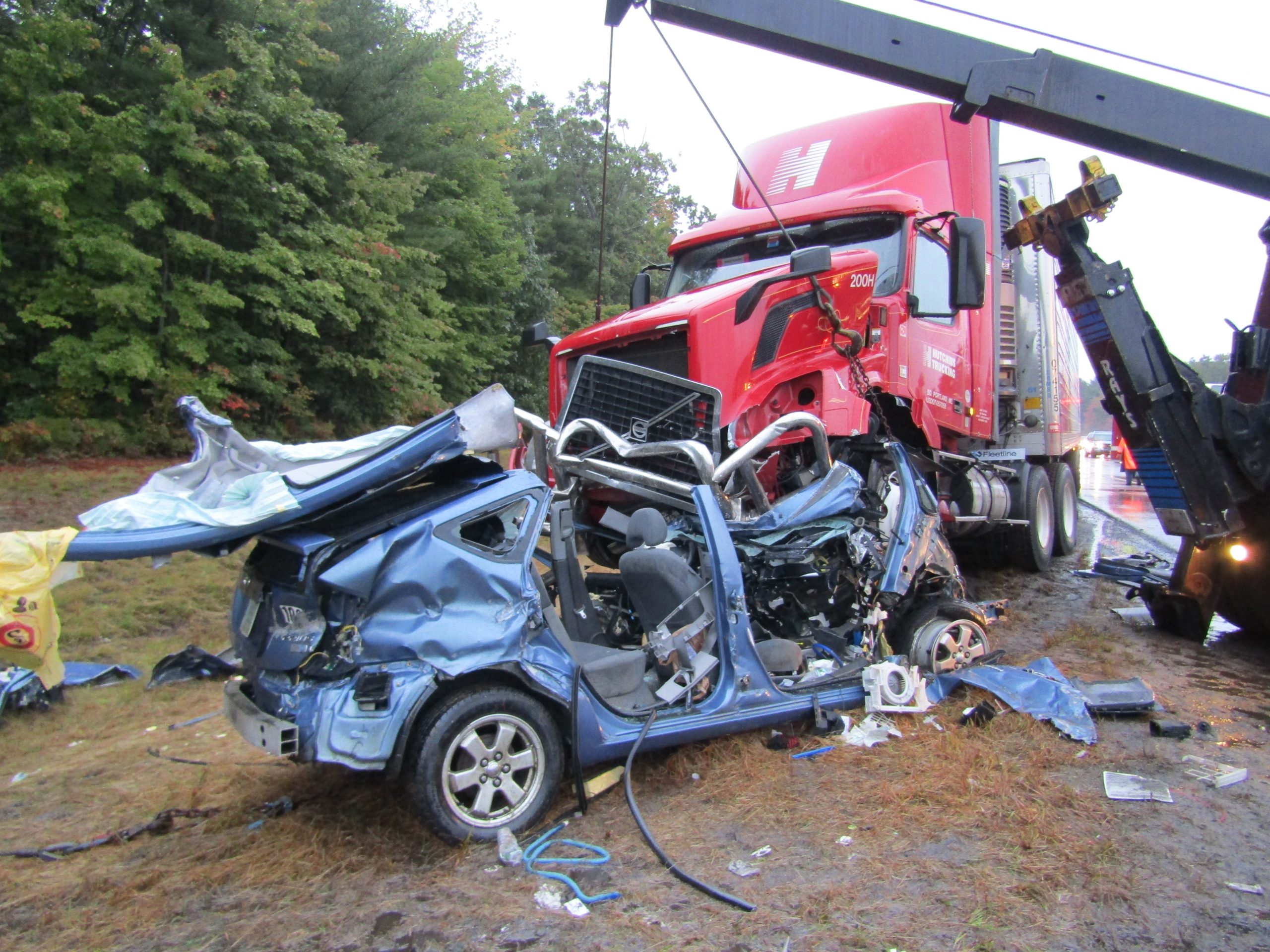 A family member was killed or catastrophically injured in a crash with a big truck. These accidents often cause death or serious brain, burn, amputation, and back injuries. It is your responsibility to decide how to proceed. What should you do?