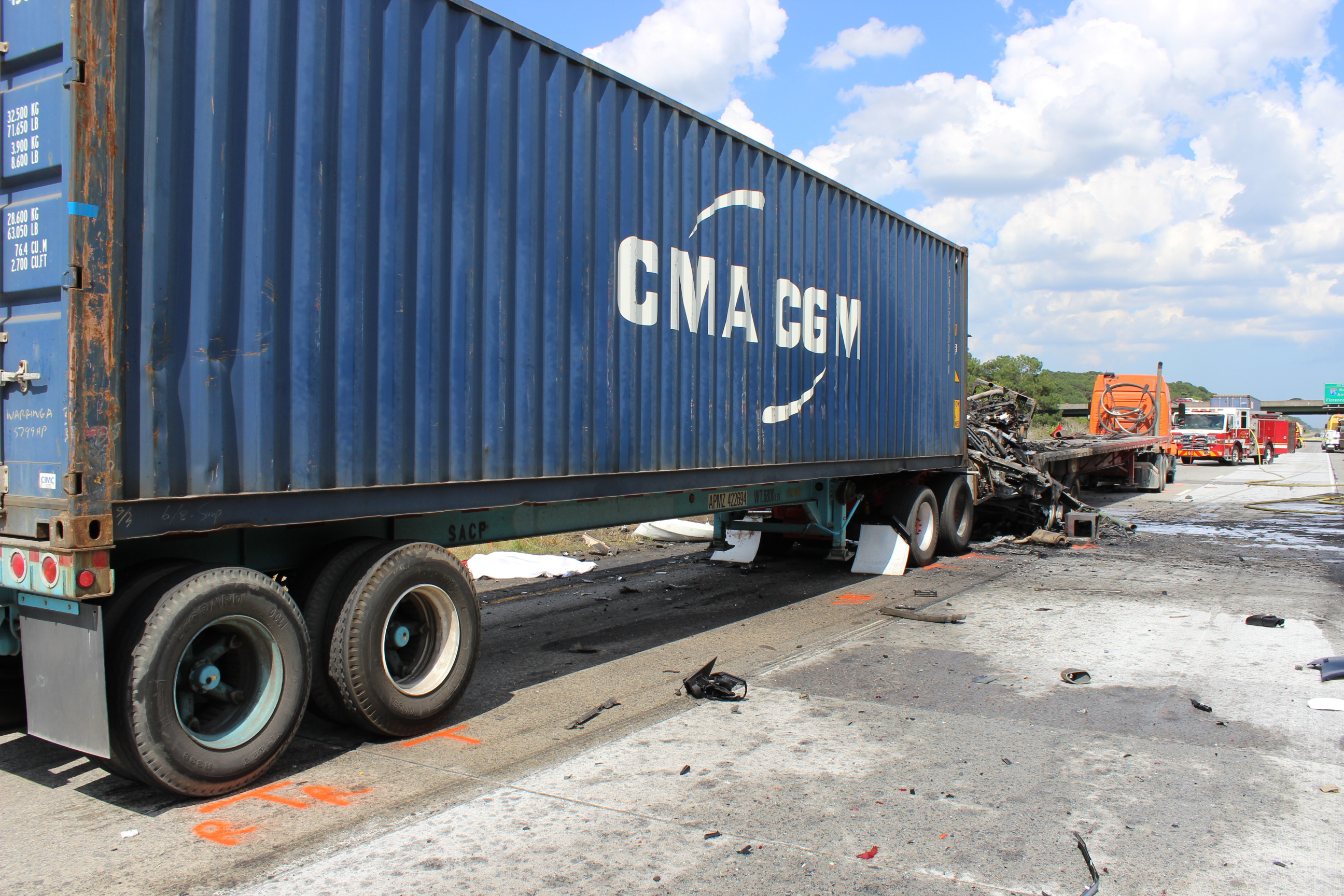
Every time I make my way from Atlanta to Savannah, I enjoy watching the container ships cruising up the river past downtown. They are always stacked high with hundreds of huge freight containers.
Thousands of those containers are unloaded from the ships onto truck trailers and trains at every major port to be transported across the country. Georgia highways are full of intermodal containers imported through the ports of Savannah, Jacksonville and Charleston.
Often the trailers used in these intermodal operations are old chassis repainted to look good but poorly maintained. Too often the trailers that were loaded in Shanghai or Rotterdam contained unbalanced loads that ride fine on a ship but are dangerous in highway curves.
Over the past several years there has been increasing concern about safety of intermodal freight operations.
Now the Federal Motor Carrier Safety Administration has announced plans to add a fifth equipment marking option to its rules, allowing chassis to be identified through a system that uses technology to match equipment to the company responsible for its maintenance.
They hope this will clear the way for industry efforts to launch a global registry for intermodal equipment.
Of more immediate interest to families of people catastrophically injured in crashes of trucks hauling these freight containers is the difficulty of reaching the insurance coverage of the intermodal companies. Often the inland truck hauling is brokered to a small trucking company or owner-operator with only $750,000 to $1,000,000 liability coverage. That sounds like a lot, but when you’re looking at a $20,000,000 life care plan for a catastrophic injury, it’s a drop in the bucket.
Courts in Georgia have had a hard time coming to terms with the totality of intermodal shipping, tending to look at just the tip end of the spear and not at who is throwing the spear.
Last Friday, I spent a day in St. Louis at a seminar by David Nissenberg from San Diego, author of the book, Law of Commercial Trucking. He is a scholar of this area of law, and has painstakingly put together the legal theory to connect all the dots and reach the insurance policies of the ocean shipping companies that bring the containers into the US and load them on the trucks. In a tour de force, he combines international treaties, U. S. maritime laws and regulations, standard maritime bills of lading and other shipping documents, interlocking provisions of the Motor Carrier Act and Federal Motor Carrier Safety Regulations, Restatement of Torts, Restatement of Agency, etc.
David hasn’t published a paper on this. There are no cases on point yet anywhere in the U.S. To persuade a judge who is busy, understaffed, and knows little about this area of the law, will require some masterful explanation.
But when a catastrophic container freight trucking case comes along, we’re ready.
This is a great lesson for those naive lawyers who think an commercial trucking accident is just a bigger car wreck.
Continue reading →
 Georgia Truck Accident Attorney Blog
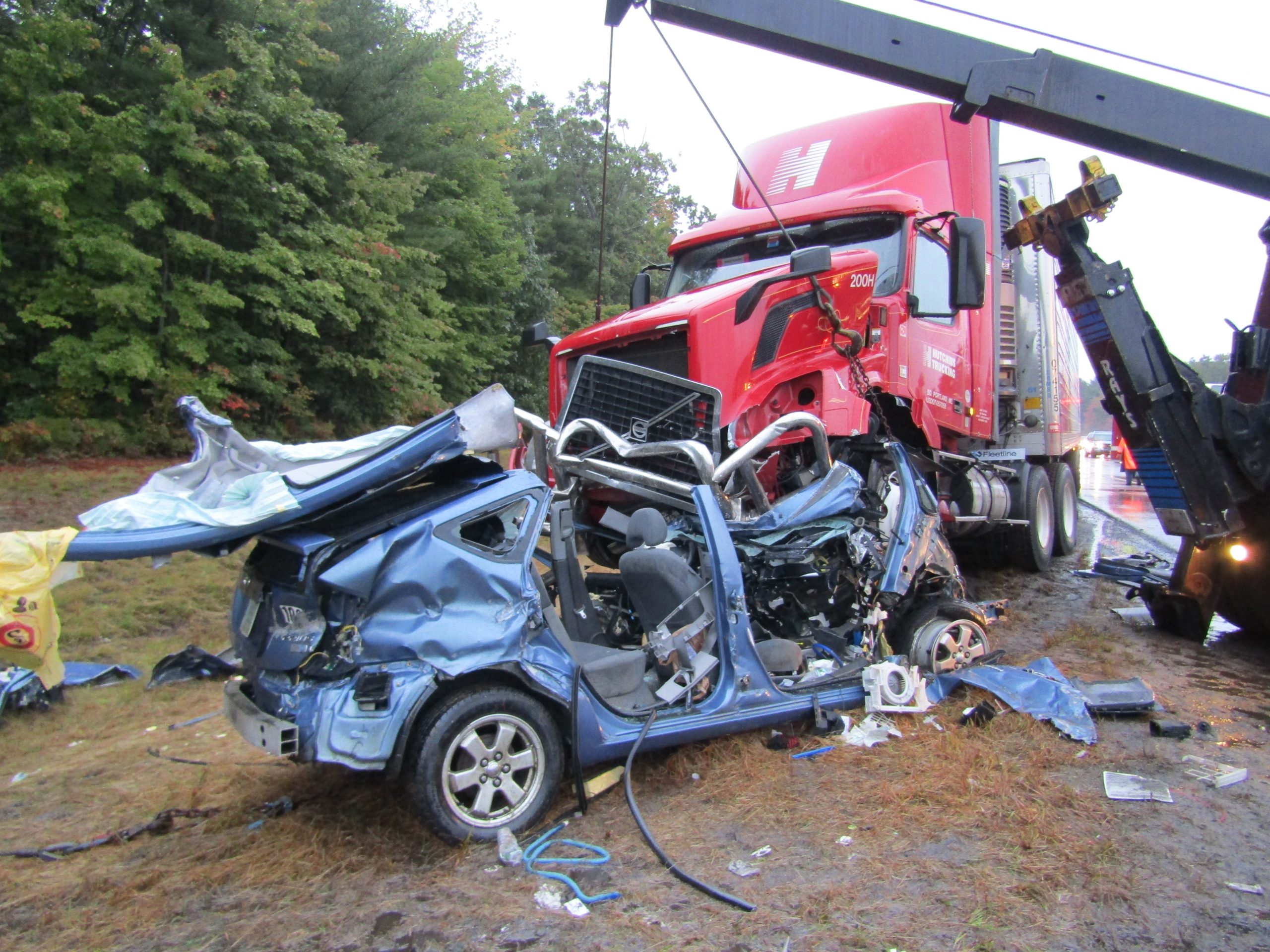 A family member was killed or catastrophically injured in a crash with a big truck. These accidents often cause death or serious brain, burn, amputation, and back injuries. It is your responsibility to decide how to proceed. What should you do?